
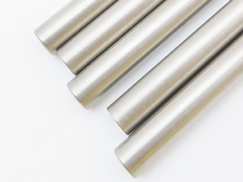
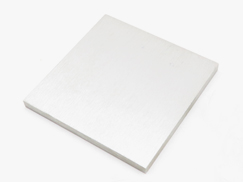
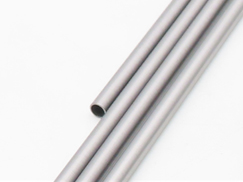
Niobium alloy is an alloy formed by adding elements such as zirconium (Zr), титан (Ti), tungsten (W) and hafnium (Hf) to niobium (Nb) as the base material (with a content usually > 50%). Its main advantages include:
Niobium alloys can withstand extreme temperatures and resist deformation (creep) at high temperatures, making them ideal for applications like rocket nozzles and gas turbine components.
Corrosion resistance: Niobium alloys, particularly those with zirconium, exhibit good resistance to corrosion, including resistance to liquid alkali metals and liquid lead alloys.
Aerospace: Used in rocket engine components, thrust augmenter flaps, high-temperature valves, and heat pipes for hypersonic vehicles.
Energy: Niobium alloys are crucial in superconducting magnets for particle accelerators and fusion reactors, and are also considered for fuel rod cladding and fuel assembly in high-temperature reactors.