
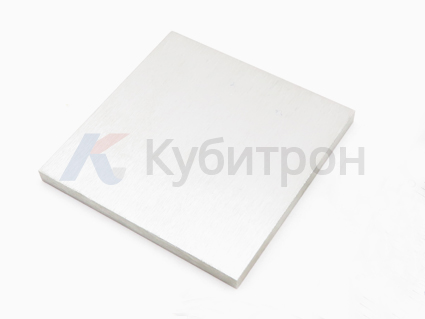
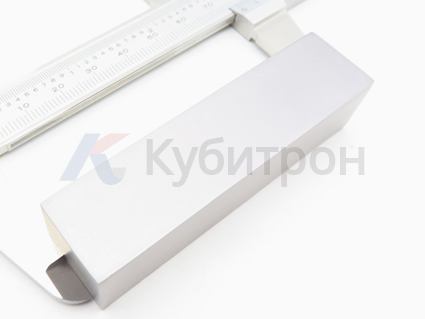
The niobium-hafnium-titanium alloy (typically containing 10% hafnium and 1% titanium)—commonly known as C103—is a niobium-based alloy with a density of approximately 8.56 g/cm³. It possesses a range of excellent properties, including high strength at elevated temperatures, making it widely applicable in fields such as aerospace.
Excellent high-temperature performance: It maintains superior mechanical properties within the 600–1600°C range, meeting the rigorous demands for high-temperature materials in aerospace applications.
Excellent formability and weldability: It can be processed into thin-walled and complex-shaped components, facilitating the manufacture of various aerospace parts; its good weldability further aids in component assembly and fabrication.
High cost-effectiveness: Its excellent formability and consistent reliability provide a favorable cost-performance ratio, leading to widespread adoption in the aerospace industry.
Traditional forging methods for C103 alloy suffer from issues such as material waste and processing limitations; however, recent advancements in additive manufacturing technology have opened up new possibilities for its production. Niobium C103 wire is suitable for use in additive manufacturing and 3D printing processes.