

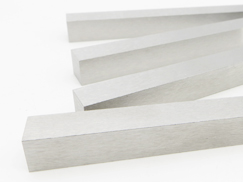
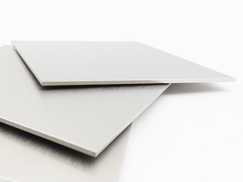
Tantalum alloy is an alloy formed by adding elements such as tungsten (W), niobium (Nb), titanium (Ti), hafnium (Hf), and zirconium (Zr) to tantalum (Ta) as the base material (with a content usually > 50%). Its main advantages include:
Ultra-high temperature resistance: The melting point of pure tantalum reaches 2980℃, and after alloying, it can maintain structural stability at 1500-2000℃, which is superior to most refractory metal alloys.
Ultimate corrosion resistance: At room temperature, it is almost resistant to all strong acids (including aqua regia and hydrofluoric acid) and strong alkali corrosion, and is only soluble in molten alkali or high-temperature fluorides.
Biocompatibility: It has no rejection reaction with human tissues and good bone conductivity, making it an ideal medical implant material.